What Is GEO? Generative Engine Optimization, the New SEO for AI Search
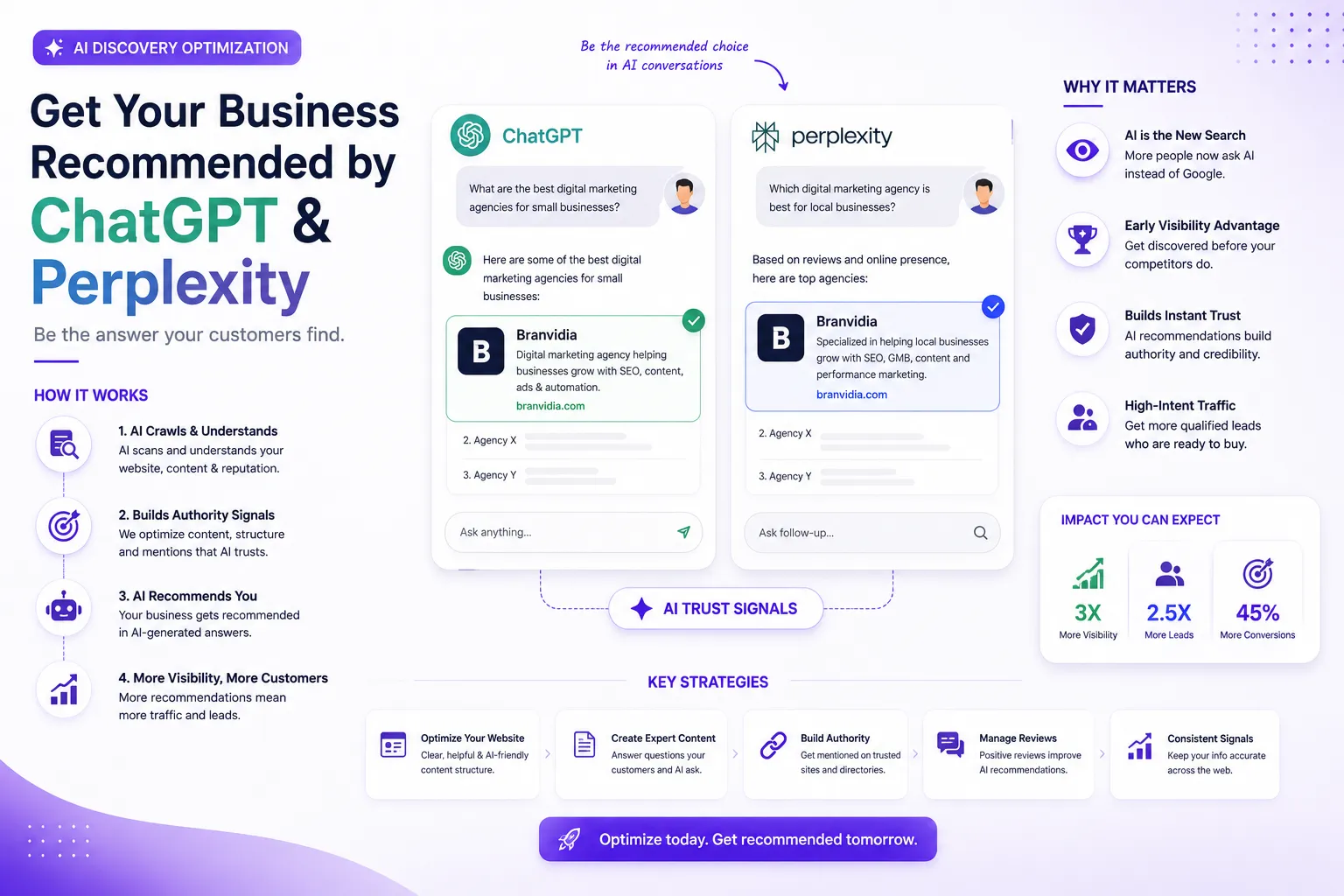
Search is quietly moving from a list of ten blue links to a single spoken answer. When a customer asks an AI assistant to 'recommend a good dentist near me' or 'the best CRM for a small gym', one brand gets named, and the rest are invisible. Generative Engine Optimization (GEO) is the practice of making sure that brand is yours.
Jun 2026 · 7 min read · Branvidia
GEO, defined
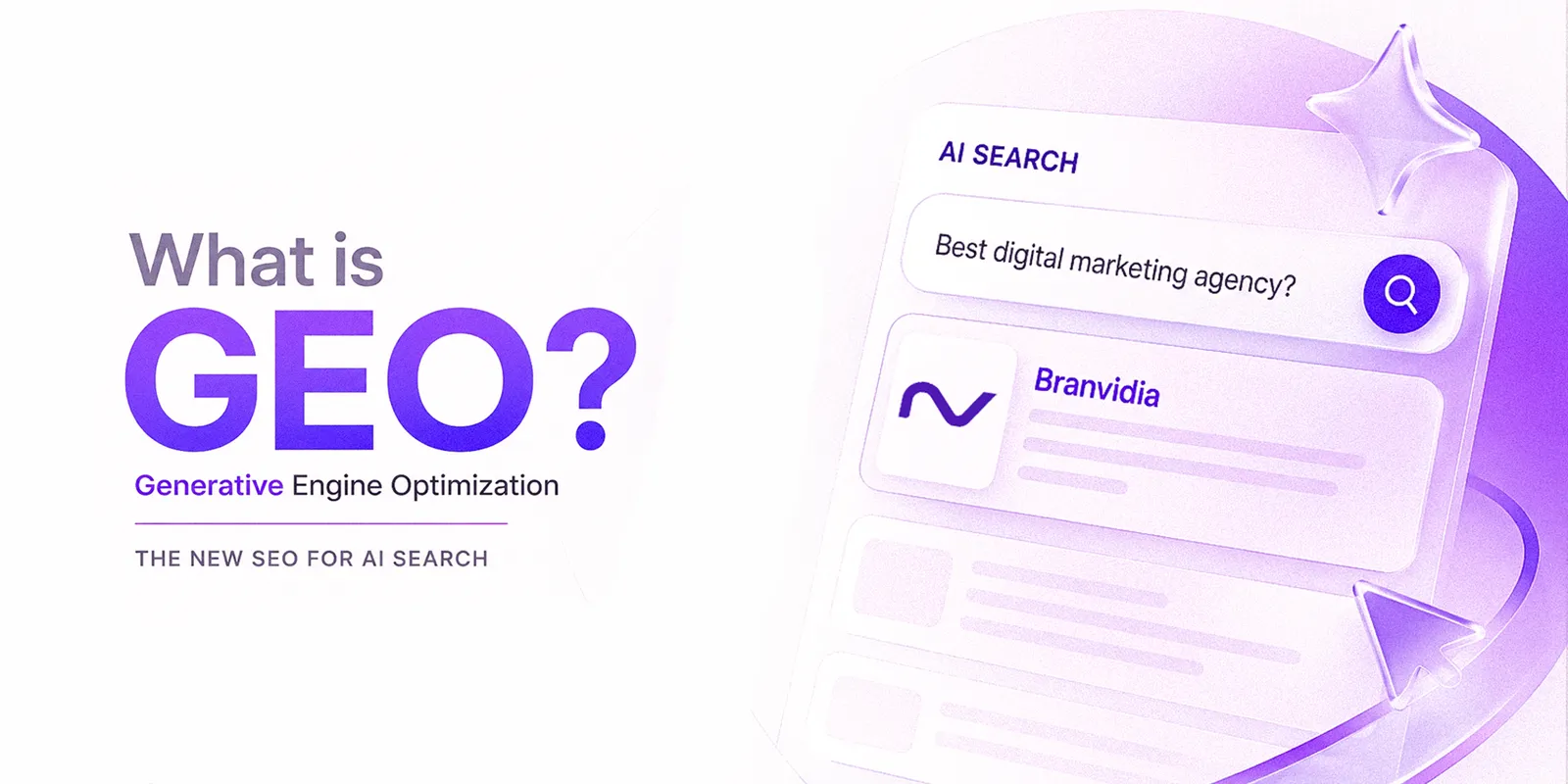
Generative Engine Optimization (GEO) is the process of structuring, publishing, and reinforcing information about your business so that generative AI engines understand it, trust it, and recommend it in their answers. Where classic SEO optimizes for a search results page, GEO optimizes for the answer itself, the moment an AI names a single business to a ready-to-buy customer.
The one-line version
SEO gets you onto the results page. GEO gets you into the AI's recommendation.
Why GEO matters now
Buyers increasingly start with an assistant instead of a search bar. They don't scroll, they ask, and they act on the first confident answer. That compresses the funnel: discovery, comparison, and recommendation collapse into one reply. If an AI can't clearly describe what you do, who you serve, and why you're credible, it will recommend a competitor it understands better.
- AI answers are winner-take-most: usually one or two brands are named, not ten.
- AI engines favour clear, structured, consistent, up-to-date information.
- Reviews, FAQs, and specific claims (pricing, hours, services) feed the model's confidence.
- Your own website is the highest-trust source an engine can cite about you.
How AI engines decide who to recommend
Generative engines assemble answers from a mix of their training data and live retrieval. When they retrieve, they reward pages that are unambiguous and machine-readable: descriptive headings, direct answers to real questions, entity clarity (who you are, where, for whom), and structured data (schema.org) that spells out your organization, products, and FAQs.
The four GEO signals that move the needle
- 1Clarity, say exactly what you do, for whom, and where, in plain language.
- 2Structure, use headings, lists, and schema.org markup so machines parse you correctly.
- 3Credibility, reviews, case studies, and specific numbers the engine can quote.
- 4Freshness, content that is updated, dated, and consistent across the web.
How Nuclias automates GEO for your business
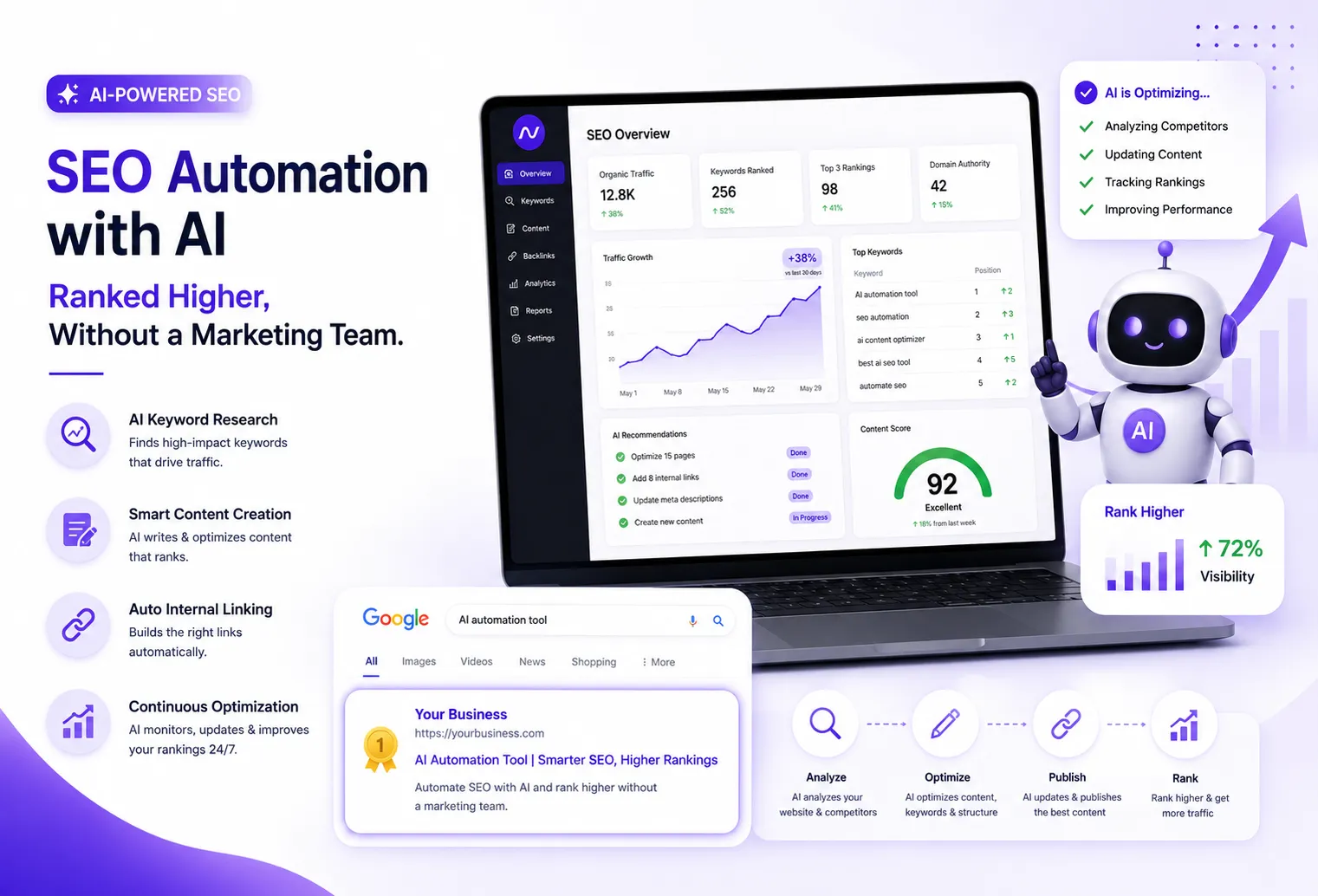
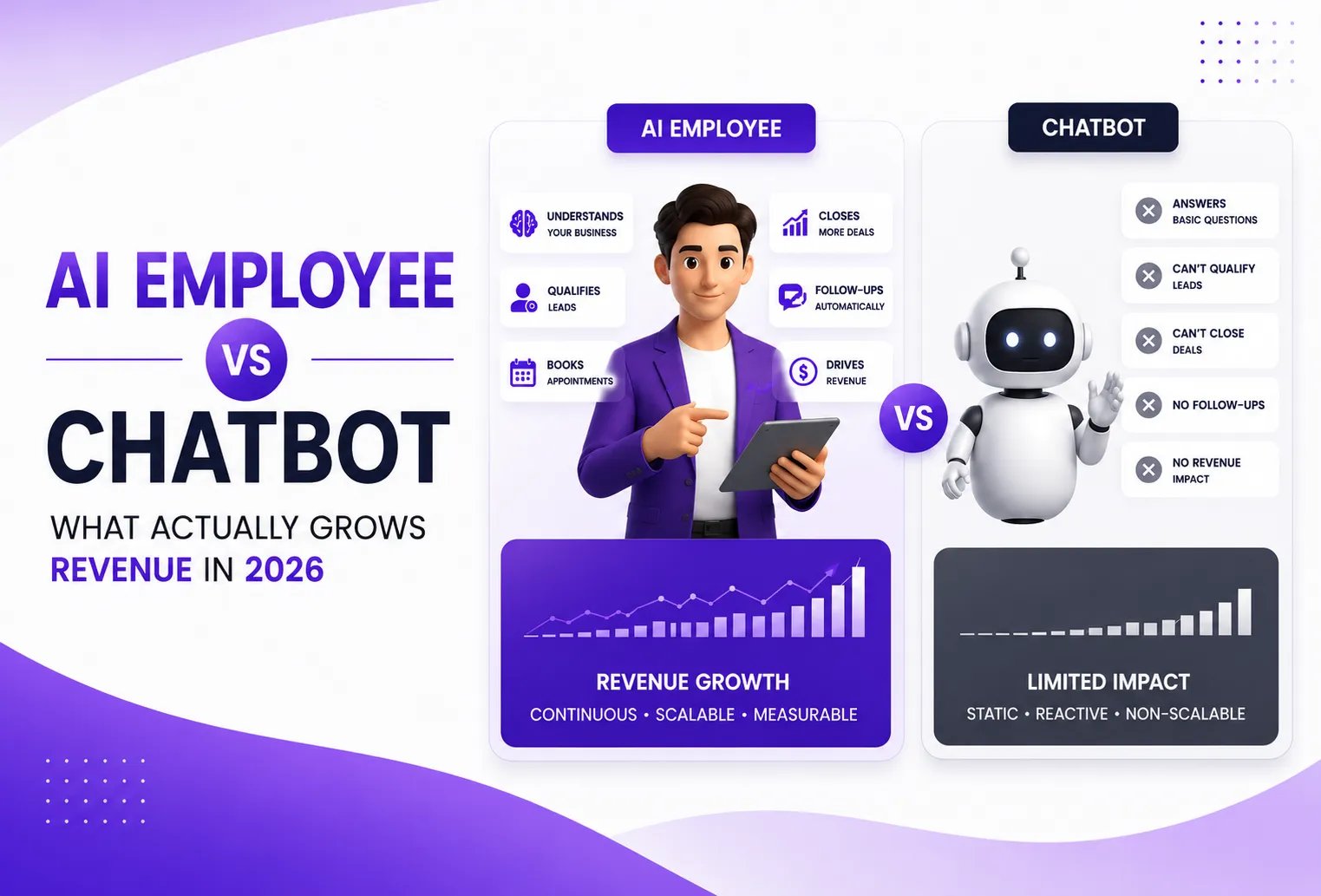
Nuclias, the autonomous AI employee from Branvidia, plugs into your website through a single API, studies your products, services, pricing, and FAQs, and continuously publishes and refreshes GEO-ready content in your brand voice. It answers customer questions directly on your site (creating the exact question-and-answer pairs AI engines love), keeps your business facts consistent, and generates the structured data that makes your pages easy for both Google and AI assistants to cite.
GEO isn't a one-off task, it's a habit. Nuclias runs that habit for you, every day, without a marketing team.
A simple GEO starting checklist
- Publish a clear, plain-language description of what you do and who you serve.
- Turn your top 20 customer questions into on-page answers.
- Add Organization, Product, and FAQ structured data to key pages.
- Collect and display reviews with specifics (results, timelines, numbers).
- Keep hours, pricing, and services accurate and consistent everywhere.
- Refresh your best pages on a schedule so they stay 'current'.
Frequently asked questions
What is GEO (Generative Engine Optimization)?
GEO is the practice of structuring and publishing information about your business so generative AI engines understand it and recommend it in their answers. It optimizes for the AI's answer rather than the traditional search results page.
Is GEO replacing SEO?
No, GEO complements SEO. SEO still gets you onto search results pages, while GEO makes you the brand an AI assistant actually names when a customer asks for a recommendation. Strong websites invest in both.
How do I get my business recommended by AI assistants?
Publish clear, structured, credible information about what you do, answer real customer questions on your site, add schema.org structured data, collect specific reviews, and keep everything fresh. Nuclias automates this end to end.
How does Nuclias help with GEO?
Nuclias studies your business, answers customer questions on your website, generates FAQ and structured data, keeps your facts consistent, and continuously refreshes GEO-ready content in your brand voice, all through a single API.
See Nuclias work on your website
One API. An AI employee that answers, books, sells, and gets your brand recommended by AI search.